
Ứng dụng của bộ chuyển mạch trong hệ thống truyền động công nghiệp
Trong tự động hóa công nghiệp hiện đại, mọi hệ thống cơ khí đều cần truyền tải năng lượng đáng tin cậy và điều khiển chuyển động chính xác. Mặc dù Hộp giảm tốc và Hộp số hành tinh được biết đến rộng rãi, nhưng... bộ chuyển mạch Đây cũng là một bộ phận truyền động quan trọng được sử dụng trong nhiều ứng dụng công nghiệp. Bộ chuyển mạch chất lượng cao giúp máy móc thay đổi hướng truyền lực, tối ưu hóa bố cục cơ khí và đạt được thiết kế thiết bị linh hoạt hơn.
Tại Công ty TNHH Công nghệ truyền tải Qiandeyi (Tô Châu)Chúng tôi tập trung vào nghiên cứu, phát triển và sản xuất các linh kiện truyền động thông minh, bao gồm: các bộ chuyển mạch công nghiệp, Hộp giảm tốc hành tinh, bệ quay rỗng, hộp số hài hòa và các giải pháp truyền động tự động hóaVới nhiều năm kinh nghiệm trong sản xuất Hộp số chính xác, chúng tôi cung cấp các sản phẩm đáng tin cậy cho robot công nghiệp, thiết bị CNC, dây chuyền sản xuất tự động, hệ thống hậu cần và thiết bị năng lượng mới.
MỘT bộ chuyển mạch Đây là một bộ phận truyền động cơ khí được thiết kế để thay đổi hướng chuyển động quay hoặc truyền công suất giữa các trục cơ khí khác nhau. Nói một cách đơn giản, nó cho phép máy móc thay đổi hướng chuyển động mà không cần thay đổi nguồn năng lượng ban đầu.
Trong nhiều máy móc công nghiệp, vị trí động cơ không phải lúc nào cũng có thể kết nối trực tiếp với bộ phận được dẫn động. Do hạn chế về không gian, cấu trúc thiết bị hoặc yêu cầu chuyển động đặc biệt, các kỹ sư cần một bộ phận có thể điều hướng đường truyền động. Đây là lúc bộ chuyển mạch trở nên hữu ích.
Bộ chuyển mạch công nghiệp chính xác thường bao gồm các bánh răng, trục, ổ bi và cấu trúc vỏ. Thông qua sự ăn khớp bánh răng chính xác, nó truyền lực quay một cách trơn tru đồng thời duy trì sự ổn định và hiệu quả.
Hệ thống bánh răng | Truyền lực quay | Truyền tải ổn định |
Cấu trúc trục | Kết nối các bộ phận cơ khí | Thiết kế thiết bị linh hoạt |
Hệ thống ổ trục | Hỗ trợ xoay | Giảm ma sát và cải thiện chất lượng cuộc sống. |
Nhà ở | Bảo vệ các bộ phận bên trong | Cải thiện độ tin cậy |
Nguồn: Các nguyên tắc thiết kế truyền động cơ khí tổng quát và ứng dụng trong thiết bị công nghiệp.
Nguyên lý hoạt động của bộ chuyển mạch dựa trên truyền động bánh răng. Khi trục đầu vào nhận năng lượng từ động cơ, các bánh răng bên trong sẽ truyền chuyển động quay đến trục đầu ra đồng thời thay đổi hướng chuyển động.
Quy trình làm việc cơ bản bao gồm:
Nguồn điện đầu vào: Động cơ điện cung cấp lực quay cho trục đầu vào.
Truyền động bánh răng: Các bánh răng bên trong truyền chuyển động giữa các trục.
Thay đổi hướng đi: Trục đầu ra cung cấp hướng chuyển động cần thiết.
Công suất đầu ra: Máy được kết nối nhận năng lượng cơ học được điều khiển.
So với các phương pháp truyền động trực tiếp, bộ chuyển mạch mang lại sự linh hoạt hơn cho các nhà thiết kế máy móc và cho phép cấu trúc thiết bị trở nên nhỏ gọn hơn.
Một trong những ưu điểm lớn nhất của bộ chuyển mạch là khả năng thay đổi hướng truyền động. Điều này cho phép các kỹ sư thiết kế máy móc với việc sử dụng không gian hiệu quả hơn.
Tính năng này đặc biệt hữu ích trong:
Thiết bị tự động hóa nhỏ gọn
Máy nhiều trục
Hệ thống robot
Cấu trúc cơ khí đặc biệt
Sản xuất chính xác đảm bảo các bánh răng bên trong hoạt động trơn tru với tổn thất năng lượng giảm thiểu. Bộ chuyển mạch được thiết kế tốt có thể cung cấp khả năng truyền tải điện năng hiệu quả cho hoạt động lâu dài.
Các nhà máy hiện đại thường yêu cầu thiết bị nhỏ gọn và hiệu quả hơn. Bộ chuyển mạch nhỏ gọn giúp giảm kích thước máy móc trong khi vẫn duy trì hiệu suất truyền động.
Thiết bị công nghiệp thường hoạt động liên tục. Một bộ chuyển mạch đáng tin cậy cần có độ bền cơ học tốt, gia công bánh răng chính xác và giá đỡ ổ trục ổn định để duy trì tuổi thọ lâu dài.
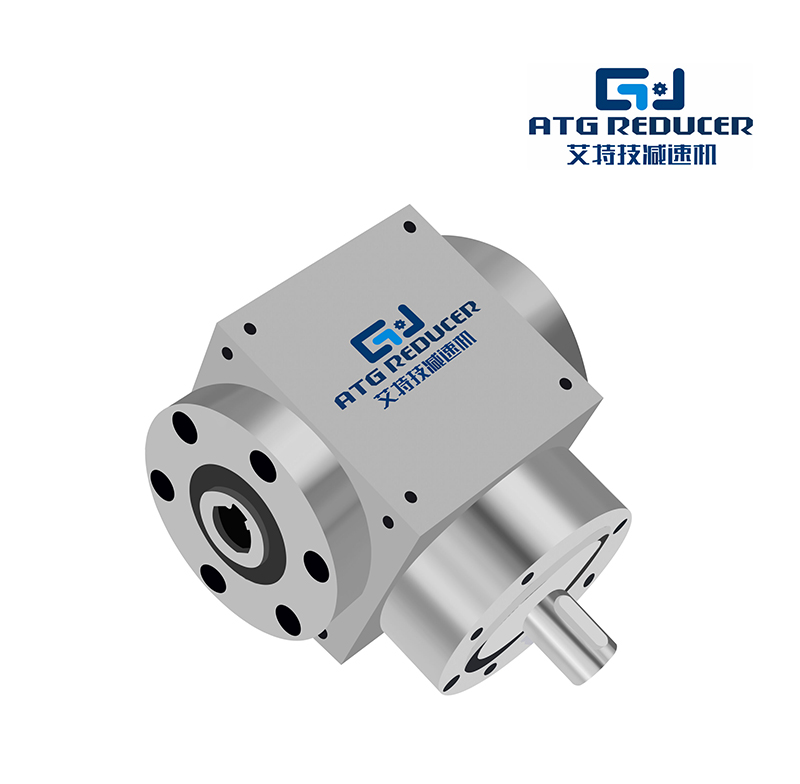
Bộ chuyển mạch được sử dụng trong nhiều ngành công nghiệp đòi hỏi hệ thống truyền động cơ khí linh hoạt. Ứng dụng của chúng tiếp tục mở rộng cùng với sự phát triển của công nghệ tự động hóa.
Robot công nghiệp cần cấu trúc khớp nối linh hoạt và chuyển động chính xác. Bộ chuyển mạch có thể giúp tối ưu hóa bố cục cơ khí của hệ thống robot bằng cách thay đổi hướng truyền động.
Các ứng dụng điển hình bao gồm:
Cánh tay robot
Thiết bị xử lý tự động
Robot lắp ráp
Robot kiểm tra
Máy CNC đòi hỏi chuyển động chính xác và ổn định. Bộ chuyển mạch có thể được sử dụng trong các cấu trúc truyền động đặc biệt, nơi việc kết nối trực tiếp truyền thống gặp khó khăn.
Chúng giúp cải thiện:
Tính linh hoạt cơ học
Tận dụng không gian
Độ tin cậy chuyển động
Trong các nhà máy tự động hóa, thiết bị sản xuất thường bao gồm nhiều hệ thống chuyển động cơ khí. Bộ chuyển mạch giúp kết nối các hướng truyền động khác nhau và đơn giản hóa thiết kế thiết bị.
Các ứng dụng bao gồm:
Máy đóng gói
Dây chuyền lắp ráp
Hệ thống xử lý vật liệu
Thiết bị kiểm tra
Ngành công nghiệp năng lượng mới đòi hỏi thiết bị sản xuất có tính tự động hóa cao. Dây chuyền sản xuất pin và hệ thống kiểm tra thường cần các bộ phận truyền động nhỏ gọn và đáng tin cậy.
Bộ chuyển mạch có thể hỗ trợ:
Thiết bị lắp ráp pin
Máy kiểm tra tự động
Hệ thống sản xuất chính xác
Robot | Cánh tay robot công nghiệp | Bố cục truyền động linh hoạt |
Gia công CNC | Máy móc chính xác | Điều khiển chuyển động ổn định |
Tự động hóa | Dây chuyền sản xuất | Thiết kế tiết kiệm không gian |
Năng lượng mới | Thiết bị pin | Vận hành liên tục đáng tin cậy |
Nguồn: Kinh nghiệm ứng dụng hệ thống truyền động công nghiệp của Qiandeyi.
Mặc dù cả cổ góp và hộp giảm tốc đều là các bộ phận truyền động, nhưng chúng có chức năng khác nhau.
Mục đích chính | Thay đổi hướng truyền động | Giảm tốc độ và tăng mô-men xoắn |
Chức năng chính | Tối ưu hóa bố trí cơ khí | Điều chỉnh công suất |
Sử dụng thông thường | Cấu trúc truyền tải đặc biệt | Robot và thiết bị tự động hóa |
Lợi thế chính | Lắp đặt linh hoạt | Mô-men xoắn đầu ra cao |
Nguồn: So sánh kỹ thuật truyền động cơ khí.
Việc lựa chọn bộ chuyển mạch phù hợp đòi hỏi phải hiểu rõ môi trường làm việc thực tế và các yêu cầu của máy móc.
Các yếu tố quan trọng bao gồm:
Tỷ số truyền: Xác định mối quan hệ giữa tốc độ đầu ra.
Khả năng chịu tải: Đảm bảo hoạt động đáng tin cậy trong điều kiện làm việc.
Yêu cầu về độ chính xác: Quan trọng đối với các thiết bị chính xác.
Kích thước khi lắp đặt: Phải phù hợp với cấu trúc máy.
Môi trường hoạt động: Bao gồm nhiệt độ, bụi và chu kỳ hoạt động.
Tại Qiandeyi, chúng tôi hiểu rằng các bộ phận truyền động ảnh hưởng trực tiếp đến hiệu suất máy móc. Do đó, chúng tôi kiểm soát chất lượng trong toàn bộ quy trình sản xuất.
Quy trình sản xuất của chúng tôi bao gồm:
Kiểm tra nguyên liệu thô
Gia công chính xác
Lắp ráp linh kiện
Kiểm thử hiệu năng
Kiểm tra chất lượng cuối cùng
Trước khi xuất xưởng, mỗi sản phẩm đều được kiểm tra về hiệu suất truyền dẫn, độ ồn, độ rung và độ ổn định hoạt động.
Công ty TNHH Công nghệ Truyền động Qiandeyi cung cấp các giải pháp truyền động chuyên nghiệp cho khách hàng công nghiệp toàn cầu. Sản phẩm của chúng tôi được sử dụng rộng rãi tại hơn 30 quốc gia và hỗ trợ các ngành công nghiệp bao gồm robot, tự động hóa, gia công CNC, logistics và năng lượng mới.
Những ưu điểm của chúng tôi bao gồm:
Đội ngũ kỹ thuật cốt lõi sở hữu hơn 20 năm kinh nghiệm trong ngành.
Thiết bị sản xuất chuyên nghiệp
Dụng cụ kiểm tra độ chính xác cao
Chứng nhận ISO9001, ISO14001 và ISO45001
Giải pháp tùy chỉnh theo yêu cầu của khách hàng.
Bộ chuyển mạch là một thành phần quan trọng trong hệ thống truyền động công nghiệp, giúp máy móc đạt được chuyển động linh hoạt, thiết kế nhỏ gọn và hoạt động đáng tin cậy. Khi công nghệ tự động hóa tiếp tục phát triển, các Thành phần truyền động chính xác sẽ ngày càng trở nên quan trọng.
Từ robot công nghiệp và máy CNC đến thiết bị sản xuất thông minh, Qiandeyi cung cấp các giải pháp về bộ chuyển mạch và hệ thống truyền động đáng tin cậy, giúp khách hàng nâng cao hiệu suất máy móc và hiệu quả sản xuất.
Trang web này sử dụng cookie để đảm bảo bạn có được trải nghiệm tốt nhất trên trang web của chúng tôi.

 Chinese
 EN
EN Español
 Pусский
 Deutsch



 Điện thoại
Bình luận
(0)